Design by Strategy
I design for the system, not just the screen.
Design by Strategy is my approach to solving complex problems through design—connecting business objectives, human needs, technology, processes, and organizational realities to create solutions that work within the larger system.
Note: Some diagrams contain text optimized for light mode and may have reduced contrast in dark mode.
Design doesn't happen in isolation.
A design decision can affect a user's experience, a business process, a technology platform, an operating model, or the organization itself. Design by Strategy considers these relationships before deciding what to design.
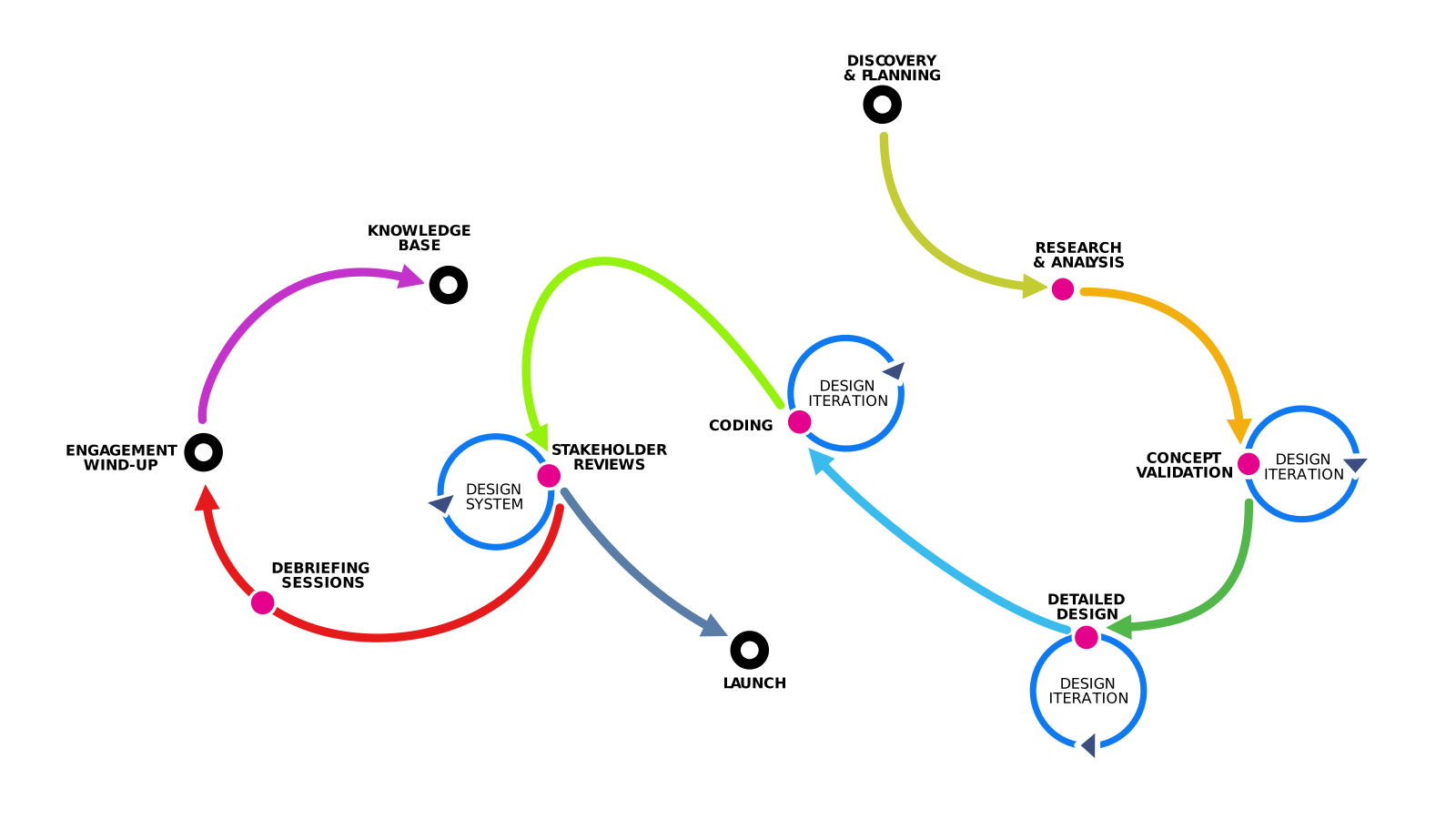
Every solution sits within a system.
Enterprise design rarely fails because a screen is poorly designed. It fails when the relationships between users, interfaces, information, technology, processes, and business owners aren't understood as a system.
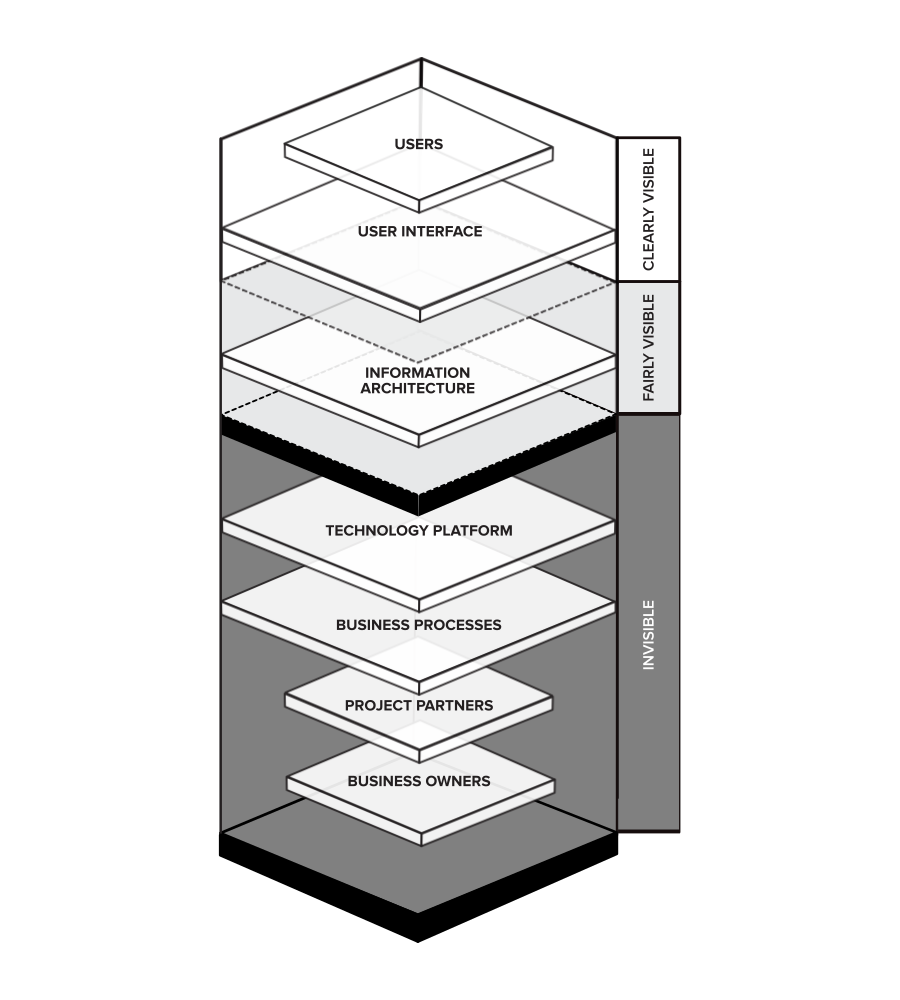
Start with the system. Design the solution.
Every system comes with constraints.
Enterprise design challenges rarely arise as isolated design problems. They emerge from competing objectives, legacy systems, organizational structures, business constraints, user needs, and changing technologies.
The realities of enterprise design
- Business objectives compete with one another.
- Legacy systems constrain new possibilities.
- Organizational structures shape design decisions.
- Processes and technology evolve at different speeds.
- Different stakeholders see different versions of the problem.
- Users experience the whole system, not just the interface.
- Design decisions often create consequences beyond the immediate experience.
Making complexity understandable — and actionable.
Strategic design begins by making complexity visible. I connect objectives, constraints, people, processes, technology, and opportunities to understand where meaningful design decisions can be made.
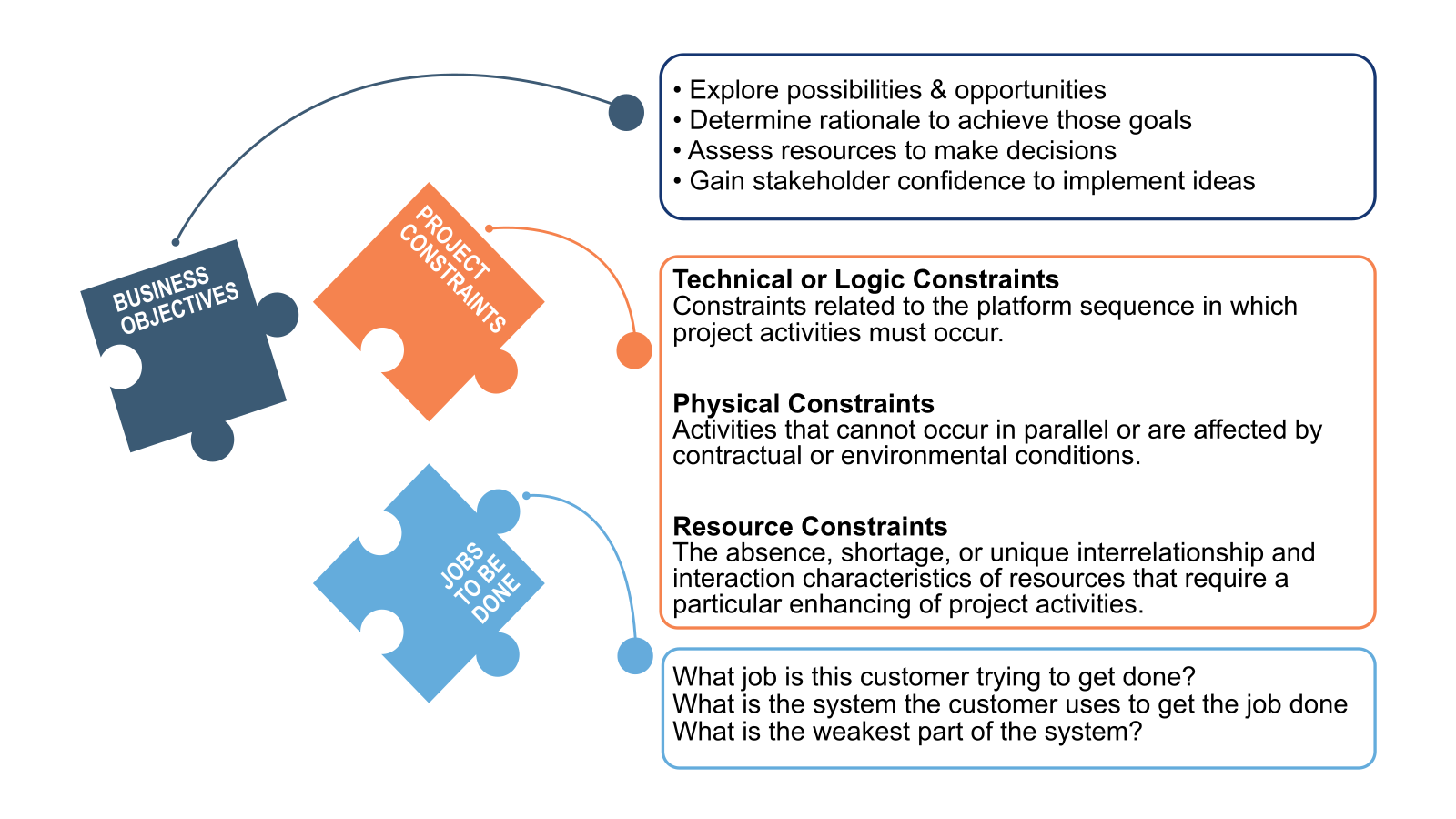
And now, AI is becoming part of the system.
AI is changing how people interact with technology, how decisions are made, and how organizations operate. The challenge isn't simply designing AI experiences—it is understanding where AI belongs within the larger human, technological, and organizational system.
Building the capability to design strategically.
Organizations that want design to influence strategy need more than individual design projects. They need the structures, practices, governance, research capabilities, and design standards that allow design to operate consistently across the enterprise.
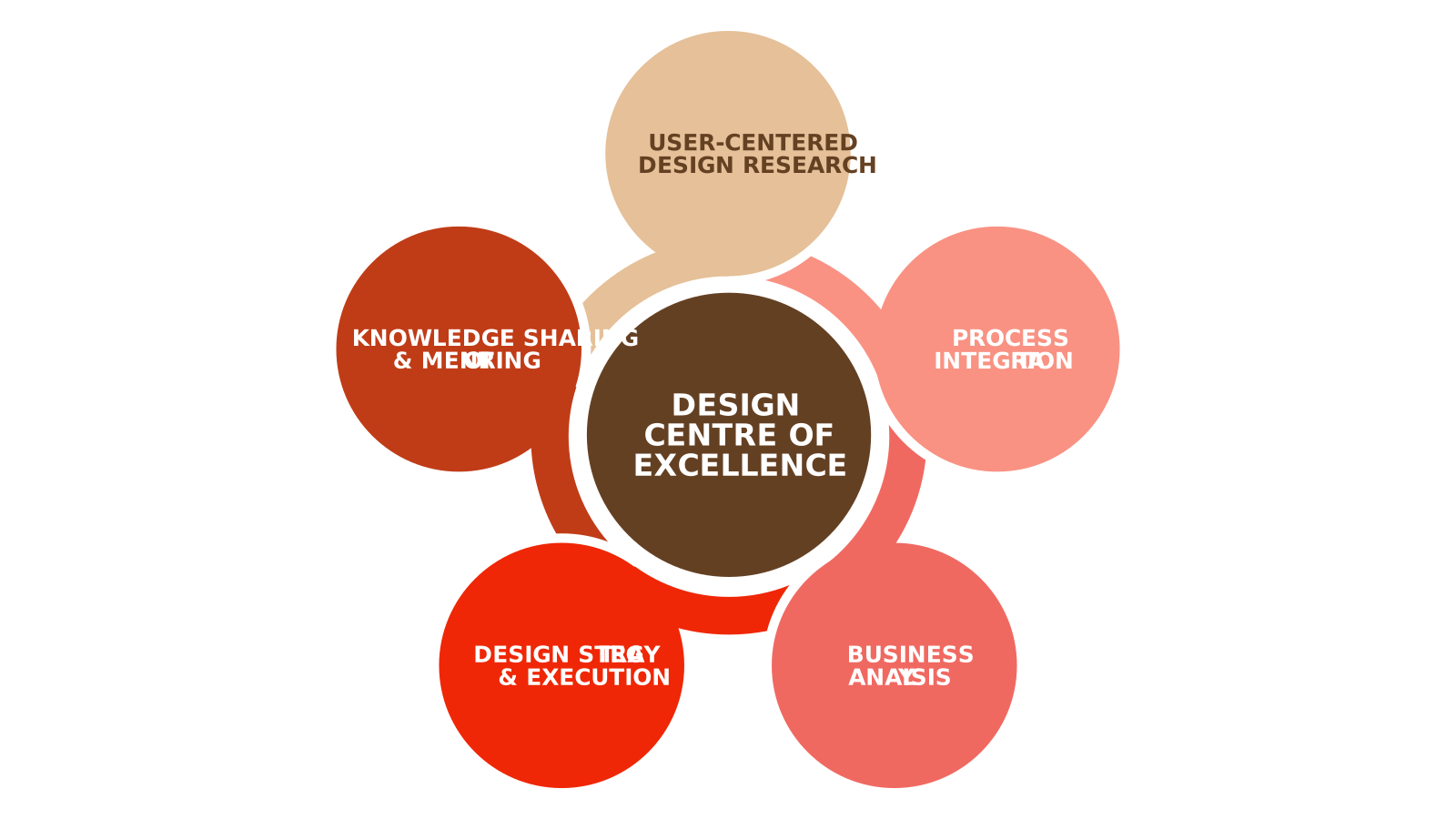
Strategy becomes useful when people can act on it.
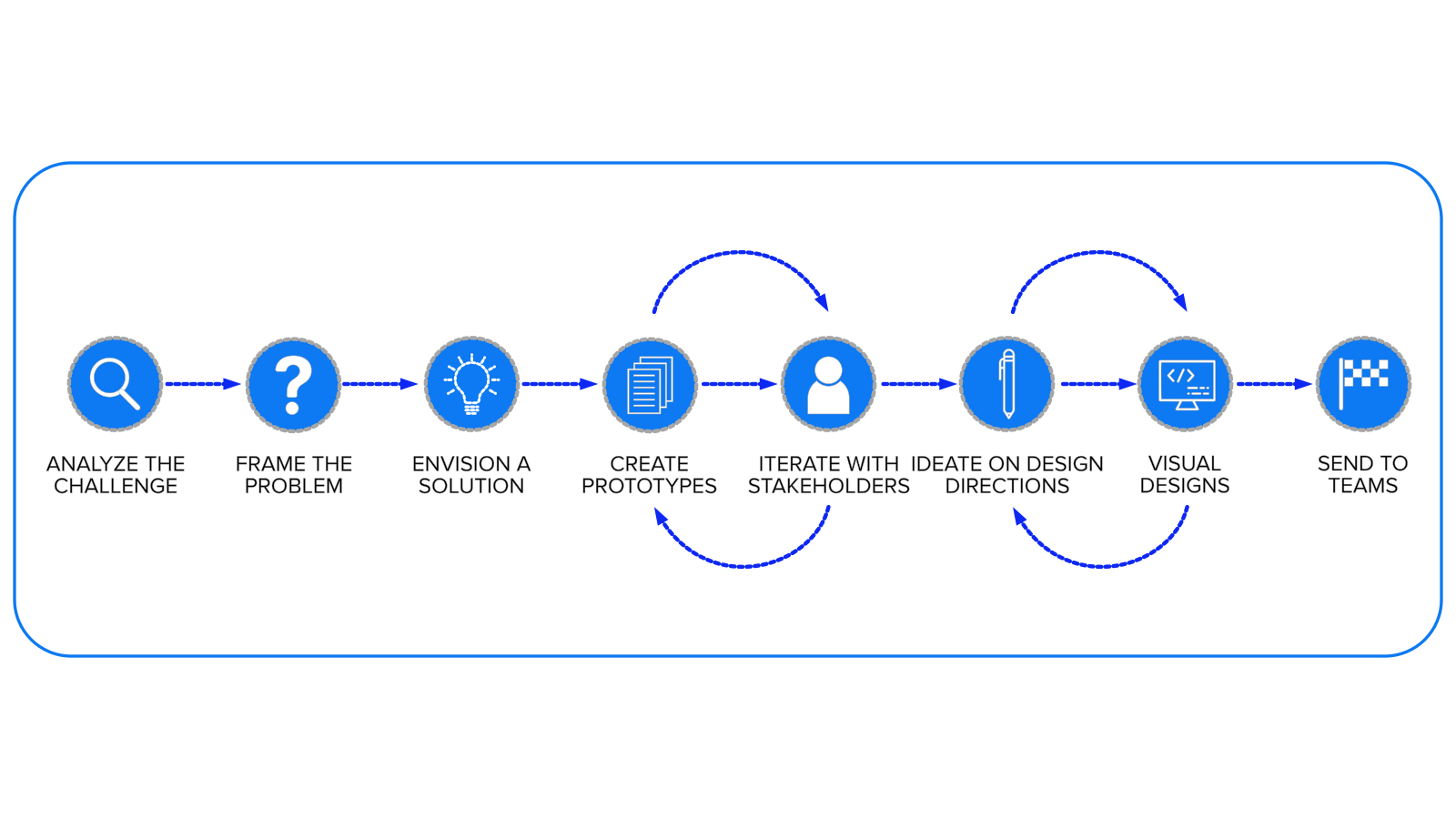
I use collaborative, iterative design practices to bring different perspectives together, turn research into actionable insight, and move from ambiguity to decisions, concepts, and solutions.
Let's talk about a complex problem.
If you're navigating a transformation, enterprise design challenge, or organizational problem where the answer isn't obvious, let's explore it together.
All diagrams, illustrations, and graphics on this page are original work by Bhooshan Pandya.